What do Bunker Hill day and Juneteenth have in common??
On June 17th, 1775, Jude Hall was fighting at Bunker Hill. And less than a year ago I learned that my ancestor, James Andrews of Essex, MA, was there, too! I wonder if they interacted that day? Maybe it was karmic that I would end up researching/championing Jude Hall here in Exeter, NH.
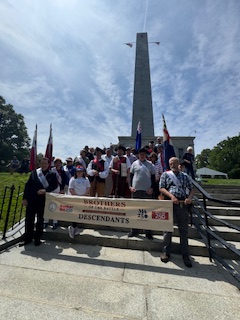
All last week I was doing “Bunker Hill 250” things. First, I spent three days in Charlestown with the newly created lineage group for descendants of the soldiers, “Brothers of the Battle”. Forty of us came from all over the US, and two from Canada. (hey Vancouver:) We marched in the annual parade, attended ceremonies, lectures, exhibits, lunches and more. I did not see a descendant of Jude Hall there.
(If you are interested in joining this group, please contact the Charlestown Historical Society directly.)
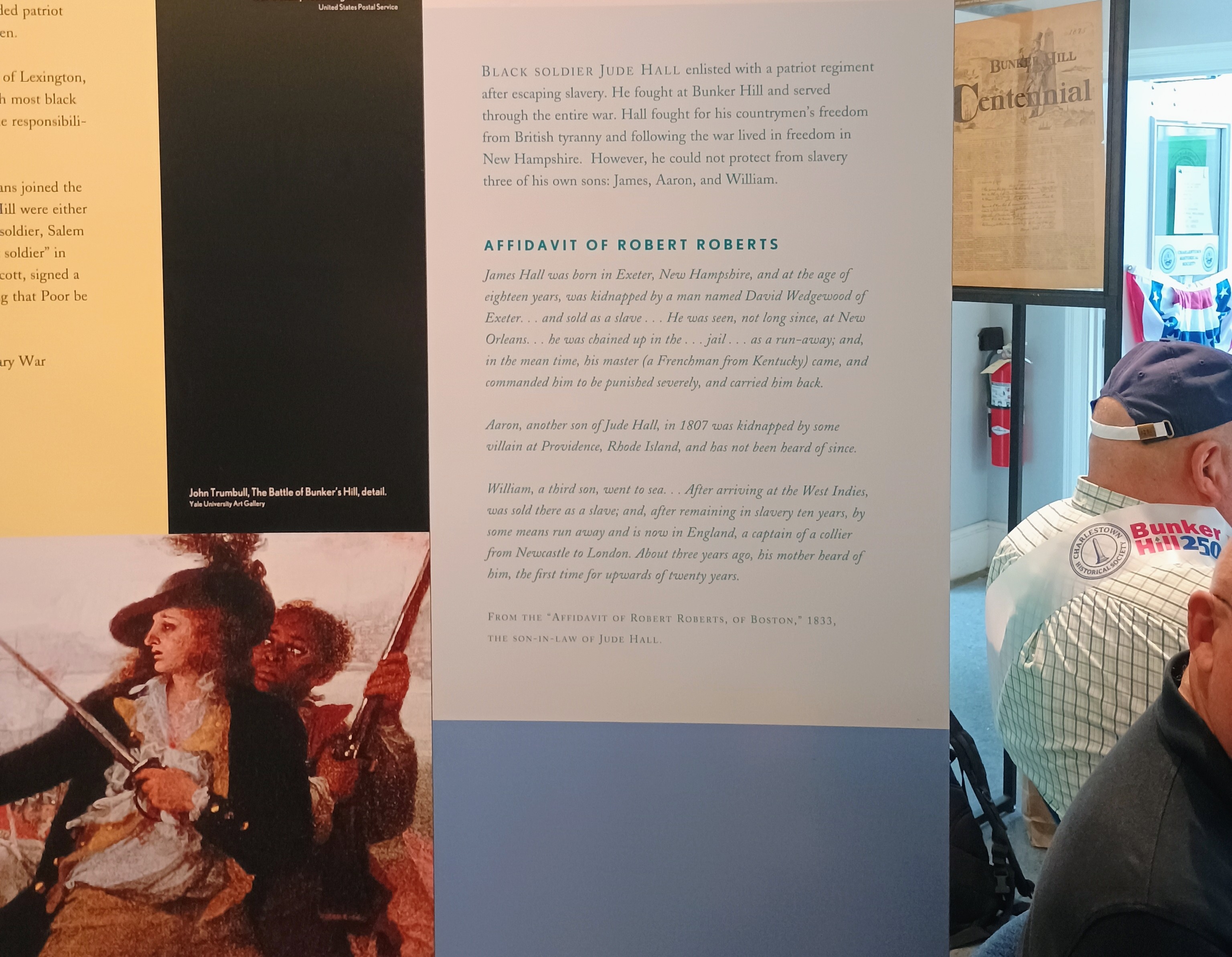
The CHS headquarters where we met each day was in the Bunker Hill Museum, located across from the monument. To my astonishment, I saw this new plaque there in the rotunda about Jude Hall. A surprise hooray-moment!
One of the tours was to the American Ancestors headquarters in Boston. This outfit heads up the “10 Million Names” project. I was excited to speak with the leader and suggest Jude Hall’s story for inclusion in a special 250 project they are working for 2026. Stay tuned!
Later in the week, I went to Gloucester, MA where about 1000 reenactors had been hired to make a living history splash. And they sure did. They had camped overnight in small white tents. About 8000 people attended. The weather was gorgeous, featuring a jaunty sea breeze.
At the top of the hill was the “redoubt”, a kind of high foxhole made of bales of hay covered with dirt. That is where the Massachusetts troops were. So this is where my James would have been. The NH men were stationed on the side rail-fence down by the beach. This would have been where Jude was. (I saw a Black man in colonial garb there and I asked him who he was portraying. He replied “Prince Whipple”. Not Jude, too bad.)
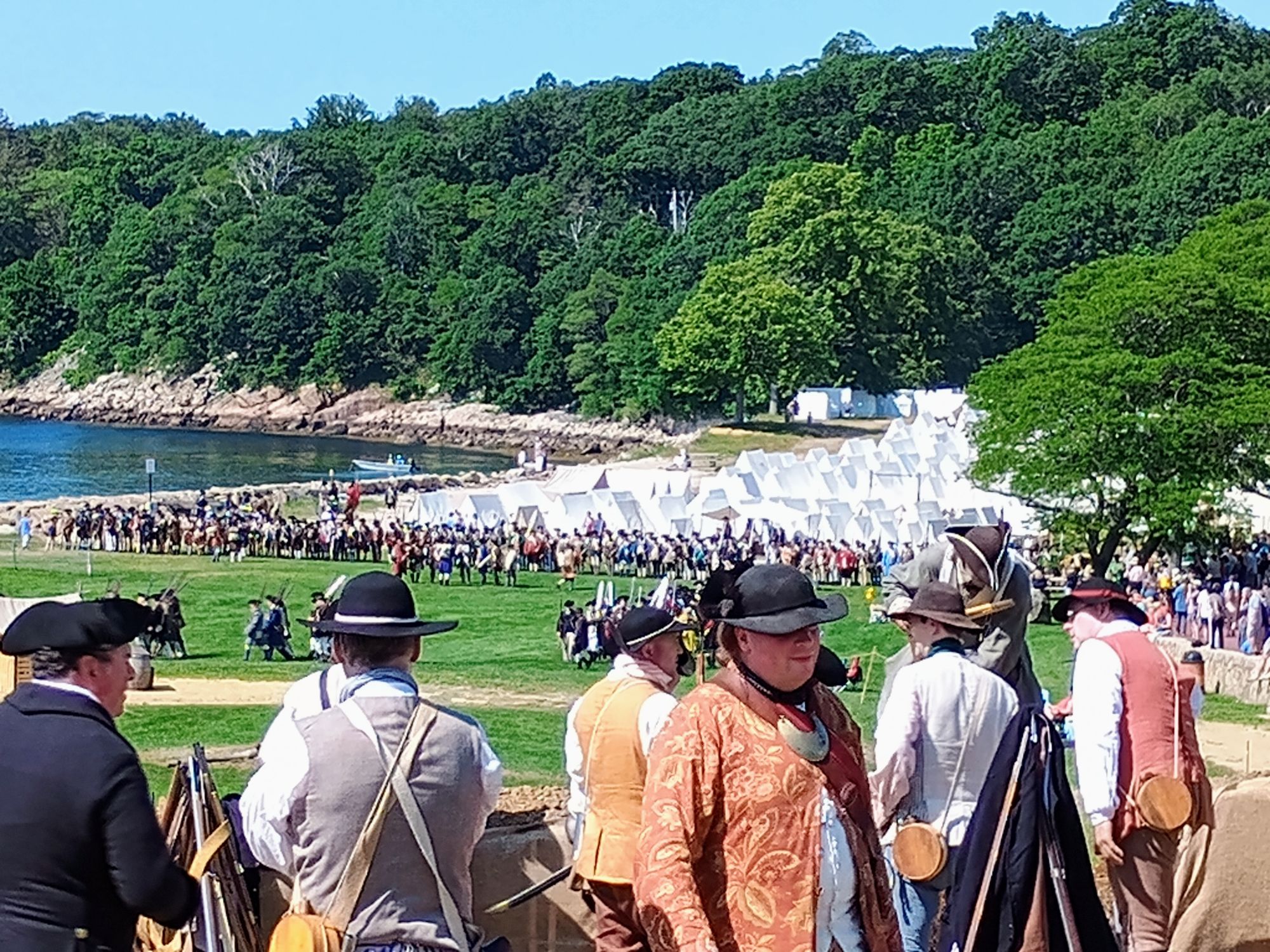
The day was faithful to the exact timing of the original battle day. The British were in ships in the harbor, rowed ashore at 8:15am, assessed, drilled, then made the three assaults up the hill. It was over at 4:30pm when they finally over ran the redoubt, and Gen. Warren was killed.
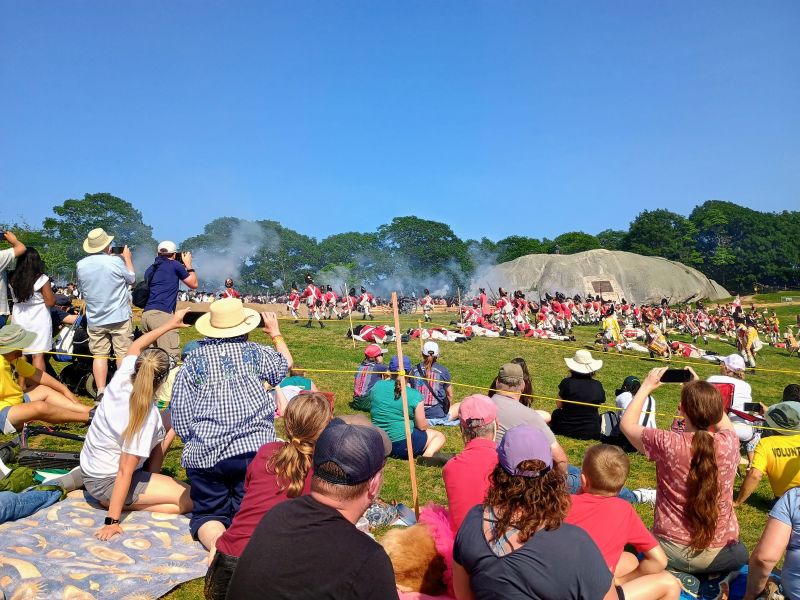
It must have been terrifying for the men on both sides. (Over 1000 British and 450 “Americans” were killed or wounded that day.) But for us 250 years later it was thrilling. The whole event was very well done. Kudos to the organizers for such a smooth day.
It was really very interesting to be a fly on the wall and watch how it all went down, while thinking about James and Jude. Thinking about freedom and equality. And thinking about the courage and conviction of those original people on that bloody hill. They enabled us to live in a democratic society today. I thank them.
I thank them for the freedom to write this, to attend any church I choose, to exercise my equal-ish rights as a woman, to protest …and to celebrate. Despite this contentious season, I choose to celebrate.
And I choose to make large efforts to celebrate others as well, as we all ride the bend in the moral arc. See that little sign on the sunflower below?
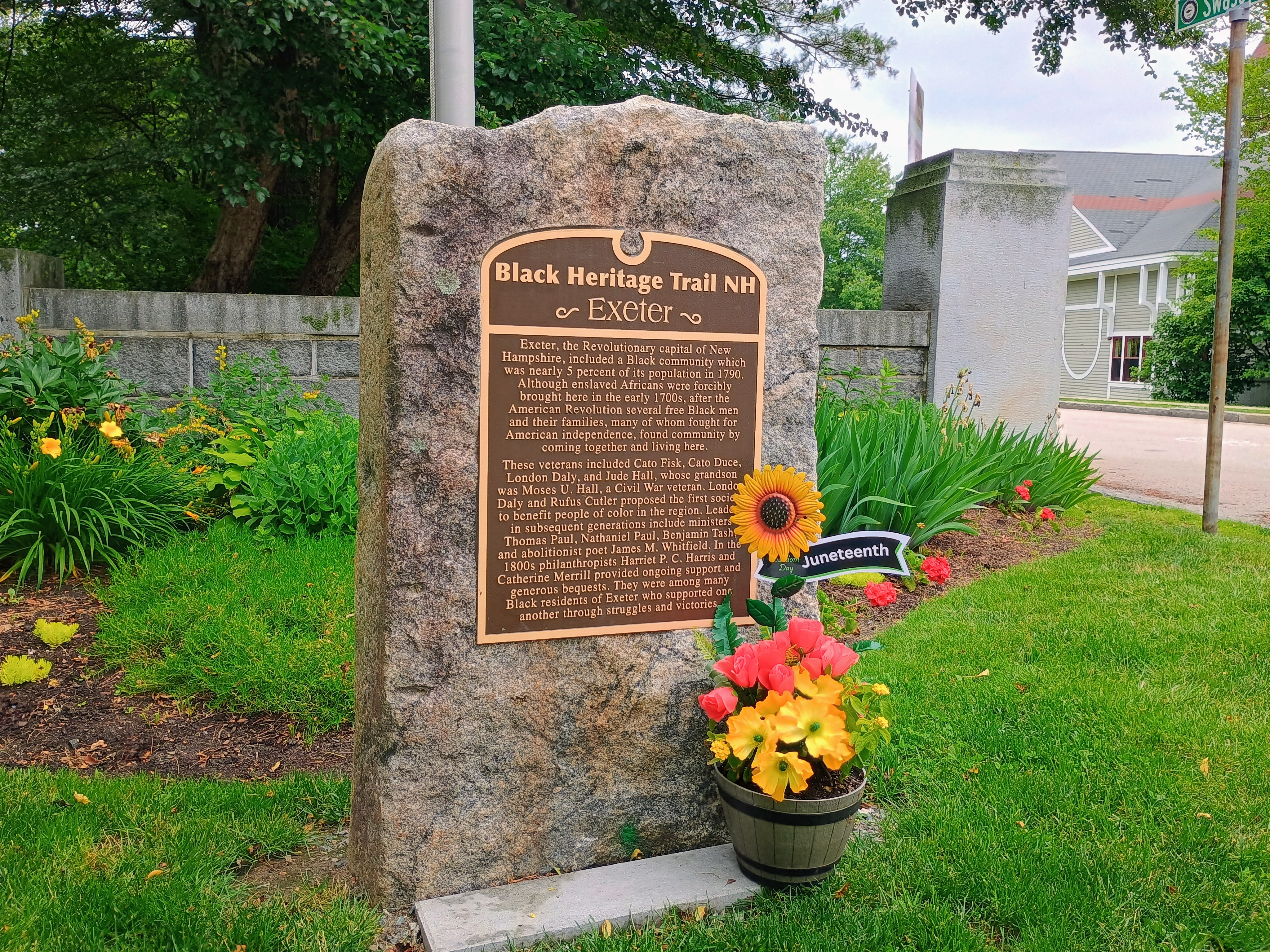
That’s right – Juneteenth, also called “freedom-day” falls inside Bunker Hill week each year. Two events where people said loud and clear: “you’re not the boss of me” and threw off injustice. Think about that coincidence.
Jude-teenth?
And to finish this post off, I experienced another “hooray-moment” this week when I got a phone message from a friend who had seen me on the TV show NH Chronicle. “Really? Why?” I asked. I had no idea.
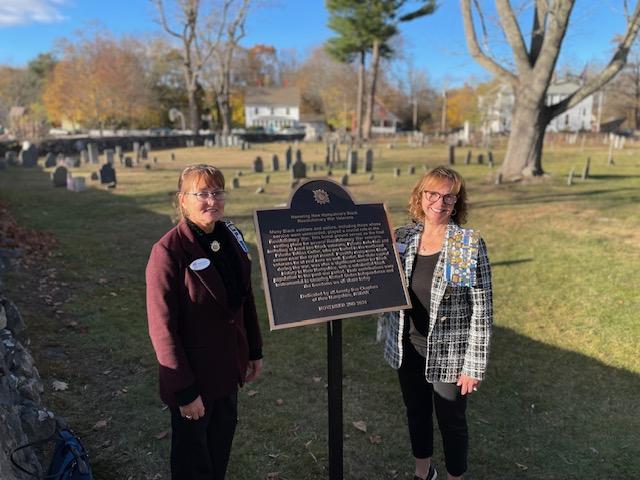
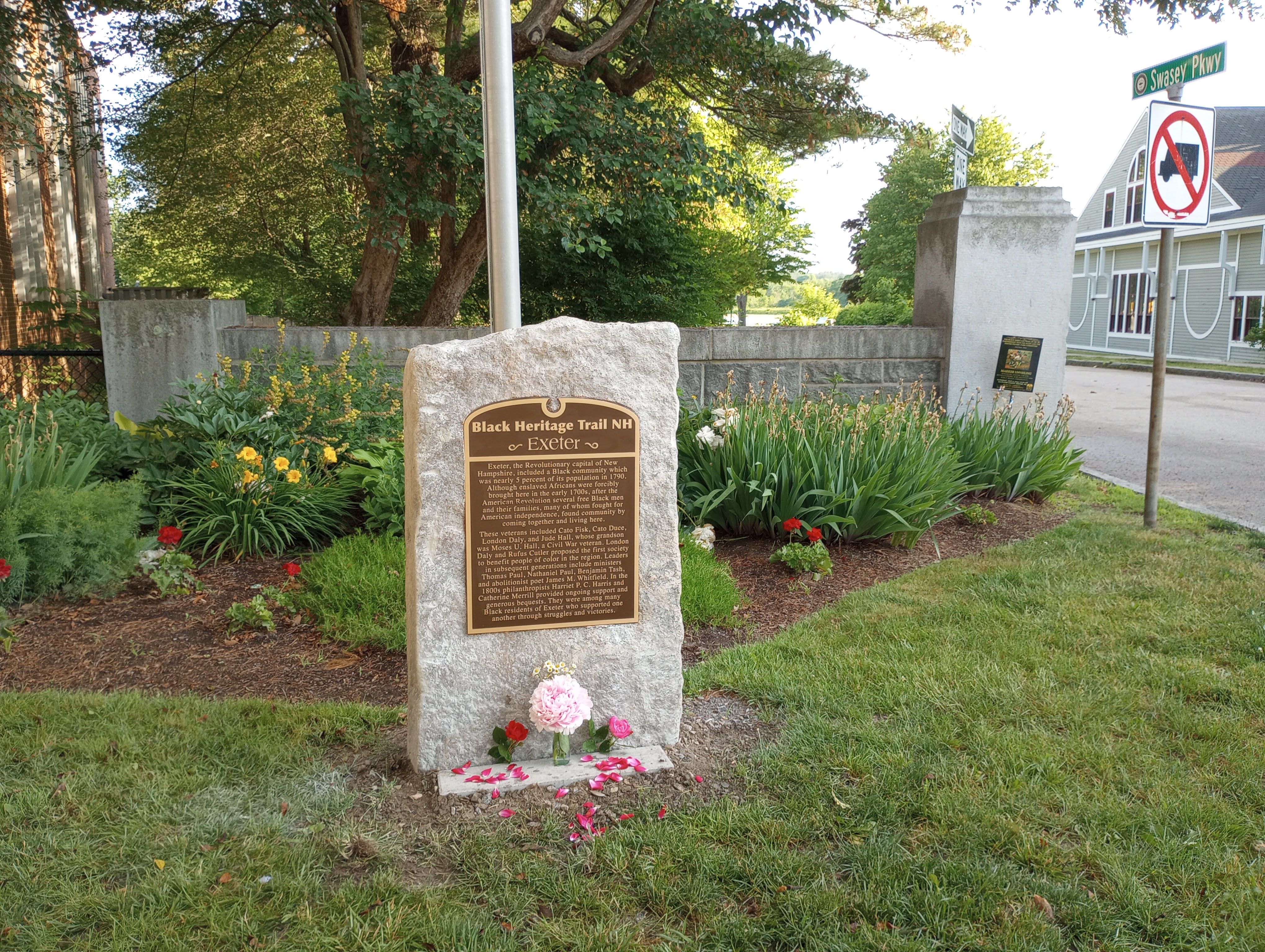
It was a Juneteenth special edition about the Black Heritage Trail of NH, and it included the other half of an interview I had filmed with a News 9 reporter last February (Black History Month) in the cemetery where Jude Hall is buried. I thought it had been cut and trashed. But no, it had been saved and sent to the TV show for Juneteenth. Wonderful!
250 years later, Jude Hall is finally honored and celebrated on a local, state and national level. Hooray! Or as he might say, Huzzah!
 RM-Allen.com