Heaps of Flowers for Juneteenth!

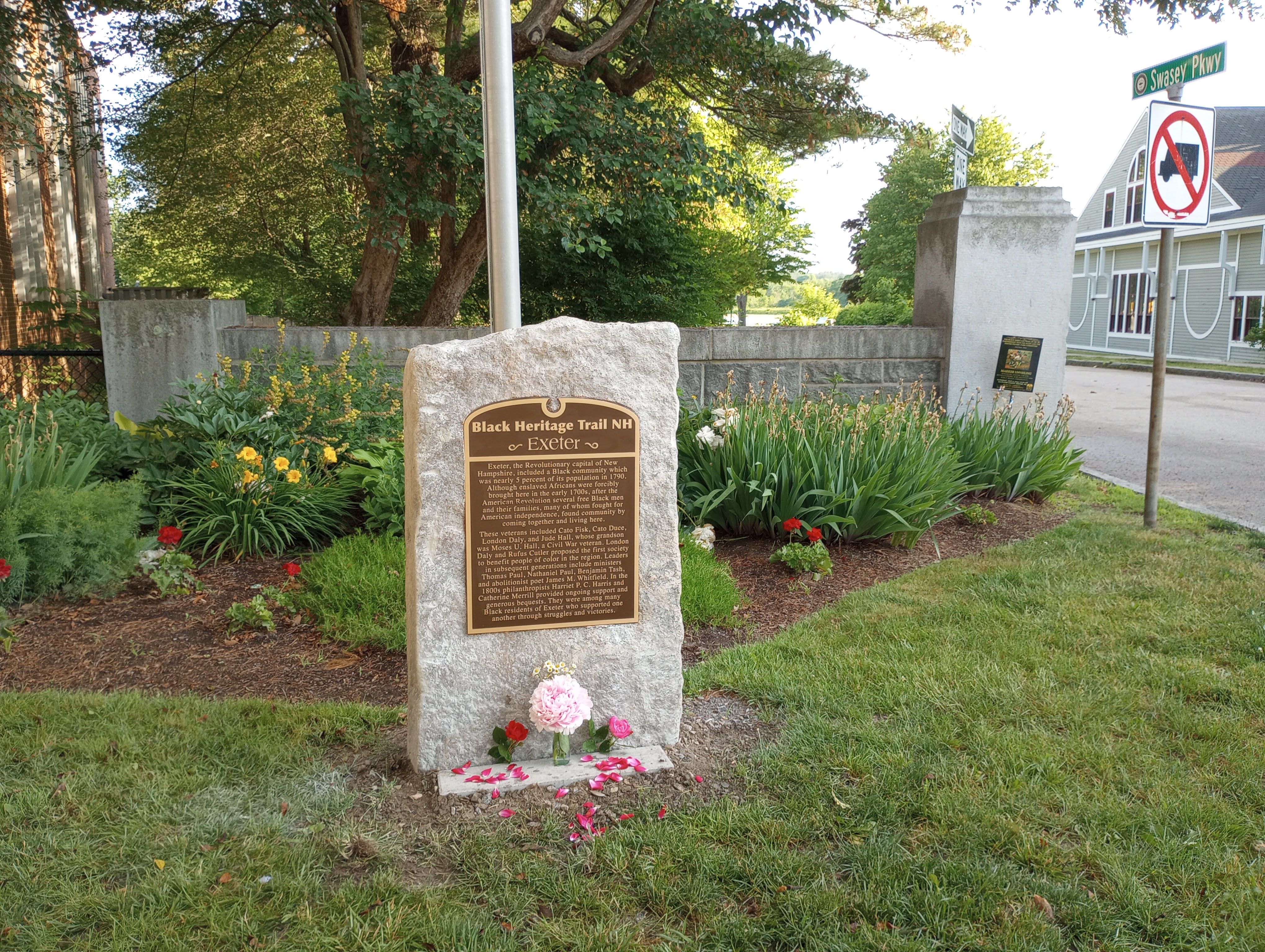
The new Black Heritage Trail of NH (BHTNH) stone marker is finally complete in Exeter. Just in time for Juneteenth this Wednesday!

This BHTNH monument is housed in the new “Exeter’s Black Heritage Pocket-Park” at the corner of Water Street & Swasey Parkway. This park is owned by Exeter Parks & Recreation, with beautiful gardens donated by local resident, Mark Damsell. An ad-hoc group of citizens, “Exeter’s Black Heritage Pocket-Park Committee” worked with public input and selectboard support for nearly four years to bring this park to fruition.

An unveiling ceremony was held on May 4th, 2024. Well over 100 people came to witness and celebrate. Pastry was provided by St. Anthony’s Bakery and Clyde’s Cupcakes. The Folsom Tavern, located directly across the street, held a free open house after the ceremony. Video of this ceremony can be viewed on Exeter TV’s YouTube channel.

The public is invited to bring a cut flower to the monument in honor of Juneteenth. Juneteenth is a holiday celebrated on June 19 to commemorate the emancipation of enslaved people in the US. The holiday was first celebrated in Texas, where on that date in 1865, in the aftermath of the Civil War, enslaved people were declared free under the terms of the 1862 Emancipation Proclamation.

At least two, and probably many more, Black Revolutionary War veterans are buried in the Winter Street Cemetery in Exeter: Jude Hall and Tobias Cutler. (In total, over 30 Revolutionary War veterans – both Black and White – are buried in that yard!)

The NH State Society of the Daughters of the American Revolution, a non-partisan civic service organization of women, has selected Exeter to kick off the statewide 250th anniversary of the USA (1776-2026) celebrations, with a focus on that cemetery.

The NHDAR, along with the Exeter Chapter, will partner with other local groups to host a public ceremony at the Winter Street cemetery to honor all NH Black Revolutionary War soldiers on the afternoon of November 2, 2024 with a post-ceremony reception at the American Independence Museum’s Folsom Tavern. All 25 DAR chapters in New Hampshire have donated to a large historical sign which honors all (nearly 400, according to NH historian Glenn Knoblock’s Strong & Brave Fellows) Black soldiers and sailors from NH that served in the Revolutionary War. Often times, history did not correctly cite the contributions of the Black community. Today’s scholarly research is is helping to correct the omissions.

In fact, in 1790’s Exeter, walking down the street you would have seen that English, Scottish, and West African were the three highest population groups in the community. Many Blacks had businesses downtown, owned homes, and schools were integrated. The Exeter Historical Society has much information on this subject that is available to the public.

The above-mentioned facts are things to ponder as you place your cut flower at the new marker in Exeter. I hope to see HEAPS!! Thanks 🙂


The marker reads:

“Exeter, the Revolutionary capital of New Hampshire, included a Black community which was nearly 5 percent of its population in 1790. Although enslaved Africans were forcibly brought here in the early 1700s, after the American Revolution several free Black men and their families, many of whom had fought for American independence, found community by coming together and living here.

These veterans included Cato Fisk, Cato Duce, London Daly and Jude Hall, whose grandson, Moses U. Hall, was a Civil War veteran. London Daly and Rufus Cutler proposed the first society to benefit people of color in the region. Leaders in subsequent generations include ministers Thomas Paul, Nathaniel Paul, Benjamin Tash, and abolitionist poet James M. Whitfield. In the 1800s, philanthropists Harriet P. C. Harris and Catherine Merrill provided ongoing support and generous bequests. They were among many Black residents of Exeter who supported one another through struggles and victories.”
Pvt. Jude Hall, DAR #217131

On October 31, 2023, Jude Hall was verified by the National Society Daughters of the American Revolution. His DAR Patriot number is 217131. His verified child is George Washington Hall (the only one to date, though there are many more children). Barb B. in CA is the first to claim him. The Taylor family of TX has applied for him as a CAR ancestor. We hope many more follow!

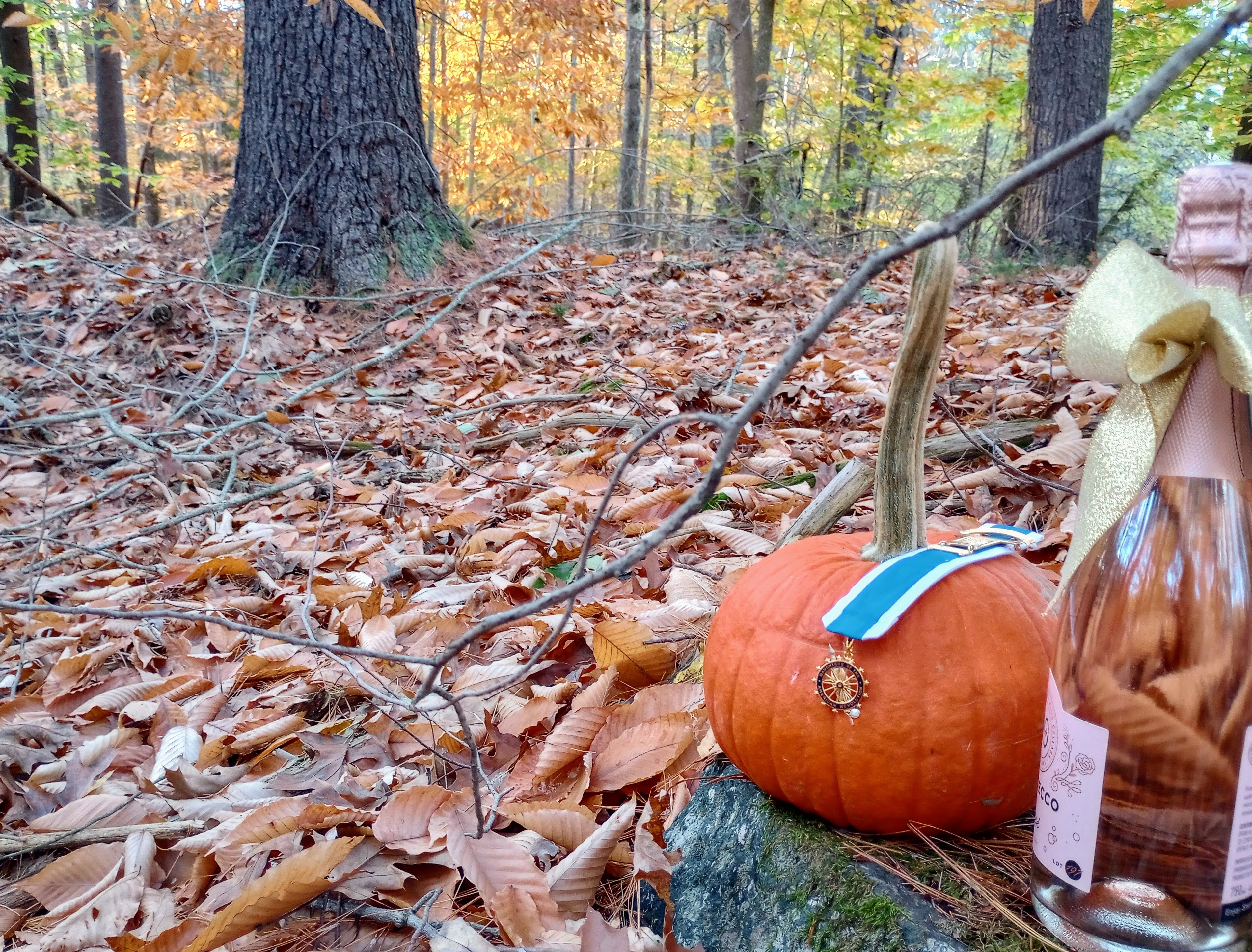
Here is a shot I took on Oct 31, whilst celebrating this fantastic news down at Jude’s Pond. The stone is a potential part of his cellar wall. (The site/cellar hole is officially registered as a archeological site.) Halloween is a day when they say the “veil is thin”… do you see anything??

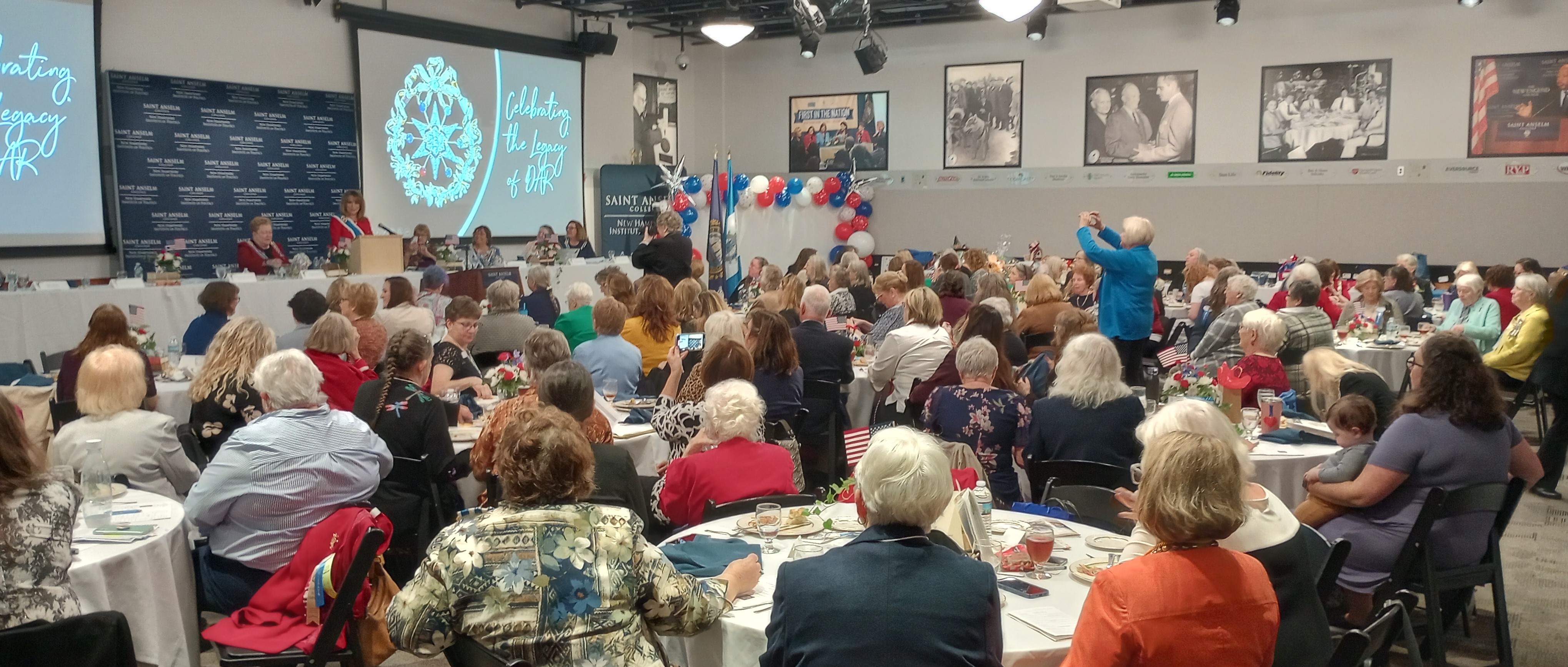
Jude and his family was the topic at of my speech at the New Hampshire DAR Fall Conference in mid-October. In attendance that day was the DAR President General, Pamela Rouse Wright. After the speech, she asked me some questions, and promised to help things along. And she did! Thanks!!

I am also grateful to NH State Regent, Kay Sternenberg, for extending an invitation for me to speak about Jude & Rhoda to such an enthusiastic crowd 🙂

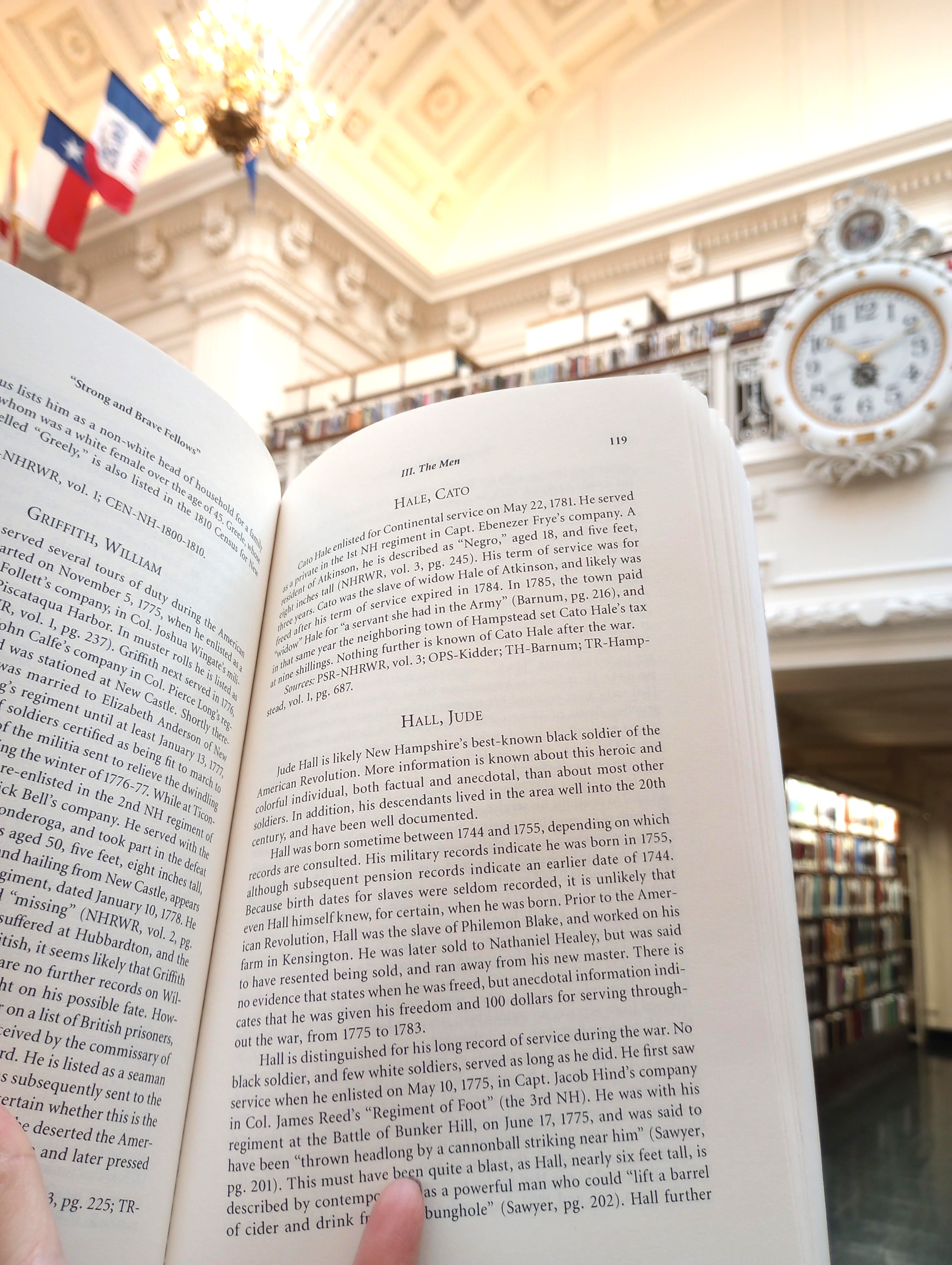
In the speech, I also introduced this new book by Glenn Knoblock “Strong and Brave Fellows”: New Hampshire’s Black Soldiers and Sailors of the American Revolution, 1775-1784 ? (My friend, Gail G. gifted me one in the mail. Thanks!) The following week, when I was down in Washington, DC visiting the DAR Museum & headquarters, I found it in their library, too. I opened it to Jude’s page and took this shot.

I spoke with the author, Glenn, today. He told me that he already spoke last week to the DAR chapter in Wolfeboro, NH. Hooray! Those DAR ladies get things done 🙂

For those of you who are not familiar with the DAR, it is a non-partisan organization with a three-fold national mission of: Historic Preservation, Education, and Patriotism. To become a member, you must have an ancestor who served in, or contributed to, the Revolutionary War effort.

The genealogist women in the 25 chapters of the NHDAR (and there are a LOT of them) want to dig into his book and make things happen in their towns, too. Hallelujah!

I wonder what will happen next….

Summer 2020: Justice and Liberty …for all

It is summer solstice, the lazy days should be stretching before us, but instead all the world seems in retrograde.

For a long time there have been people working on issues of equality. (That is a vast understatement.) But finally a great many people have joined them and are putting their own shoulders to the locked door as well. This past month, the door has finally been ripped off its hinges, and all that was hidden is now bursting forth in a spurt of chaos. It is both terrifying and beautiful.

July 4th, Independence Day, is almost upon us, and it looks like the day of freedom may finally become more true. Take for example the story of Exeter, NH Revolutionary War soldier Jude Hall, whom I profile in my local mystery “Incident at Exeter Tavern.”

undefinedJude fought for eight years, from Bunker Hill to Ticonderoga and more. Yay for the black patriot! He “earned” his freedom from slavery. Isn’t “earned” an interesting choice of words in the land of the free?  
Jude was repaid by having three of his grown sons kidnapped into Southern slavery. One was kidnapped by an Exeter resident while his mother, Rhoda, fought him off in their home on Drinkwater Road. The teen victim sailed on Capt. Isaac Stone’s ship Wallace out of Newburyport and was sold in Virginia. There was no accountability. Neither is there account of this in the local papers, but the story is recorded twenty years later in Garrison’s Liberator. After Jude died, Rhoda left town. Wouldn’t you?

This story so angered me that it served as the catalyst for action. What action? Write a report about the historic community and sit down with 100 people in this town and ask them to act upon any one of the bulleted suggestions at the end. I found that the majority of the people were unaware of the history.  

So, I then wrote a book about it, hoping to reach a different audience than history buffs. But that one slim book was not enough to tell even a fraction of the story of the historic black community in Exeter, so it has become a trilogy. Volume #2 will be launched in July. (Vol. 3/Suffragettes date is TBD).

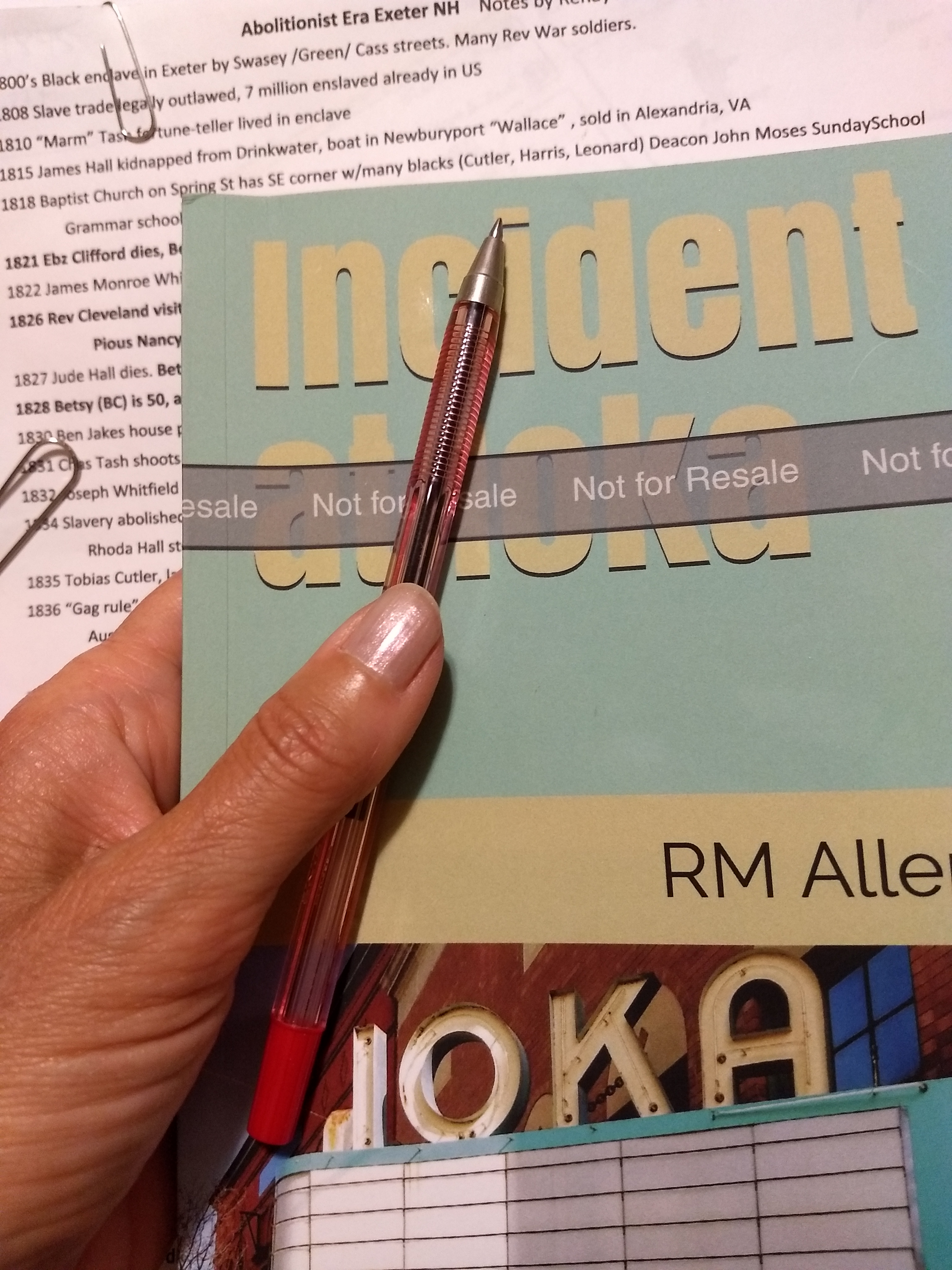
“Incident at Ioka” looks at abolitionist-era Exeter and its black community as the Civil War approaches. I write these stories “light” on purpose, so you can just taste a sliver of the bitter flavor, but you know it is there. Scholars can fill you in on the more nefarious aspects.

But even that trilogy only tells a fraction of the “Black Exeter” story, and still has a relatively small reach. So, as a form of redress, the profits from these three slim books will be donated towards a physical commemoration of the historic black community that once thrived near Swasey Parkway.

A proposal has been drafted (which will be presented to the town officials in July) to form a simple pocket-park in the names of Jude & Rhoda Hall down by the river. I am hoping to get NH State designation to further the reach. You can see the proposal at this link.

Hall pocket park proposal

It seems the time is ripe for local citizens to put our shoulders into it in Exeter, and let the cleansing light splay across our hidden history.

PS. This blog post is written to inspire you. I know many of my followers live elsewhere… what can you do in your town? (Update: the park is complete! See the stone monument on Water St at the head of Swasey Parkway. Directly in front of the flagpole.)

PSS: Here is the small report with the bulleted list of suggestions at the end:

PSSS: See me say all this in a graveside video for the 2020 American Independence Festival !!

Who Writes Herstory?

Who writes history?

It is time to re-examine traditional narratives and do some inclusive re-writes.

For example, I would have bet money that my very “white” NH town had always been so. But I fell down a rabbit hole while looking for a rabbit, and found also that my town had the highest percentage of free blacks in the entire state directly after the Revolutionary War (4.7%). It is unclear why. The NH blacks who fought in the war earned their freedom, pensions and then settled in my town buying homes, opening businesses and starting families. I was astonished to learn this! The black community they established was erased within 100 years, both from the actual town and also in the memory of the citizens.

My town of Exeter was the Revolutionary capital of NH then and home to various military officers and their funding. Perhaps they made promises to the black soldiers? Perhaps those promises are why blacks made up 4.7% of the citizenry in 1790? It is unclear. Why is it unclear? Because those writing the town’s grand, white and male, history back then did not include it. Or perhaps it was purposely excluded? I don’t know. But what I do know it that it is time to re-examine and redress – by including.

My town is all the poorer for not letting that community flourish. I can only imagine the interesting contributions those ladies and gentlemen would have made here. In the four or so generations that the community existed (mainly near the west bank of the Squamscott River) there were many blacks that influenced the culture of this town. For example, in the following small report I give you the exploits and achievements of one family as they began their uphill climb from slavery.

15-jmw-w-book
James Monroe Whitfield, poet

Down in that rabbit hole I met James Monroe Whitfield, a black abolitionist poet who was born in 1822 on Whitfield’s Lane, later renamed to Elliot Street. His 1853 book America and other poems was held in the Library of Congress, but curiously, was not in any of our libraries. His name was virtually unknown in our town. But I invite you now to read my small report james monroe whitfield family lineage  and then join me in saying: “Welcome home James”!

During my research I noticed that both people of color and women were glaringly missing from the history of my town, as published on Wikipedia. So I learned how to submit to Wikipedia -thus writing in a bit of herstory and theirstory back into history.

On January 25 and February 15 the “Where The Future Came From” symposium encourages people to join them in an Art & Feminism Wikipedia edit-a-thon to make history more inclusive. Why don’t you give it a try too?